Roofing vs Siding: Where to Invest First for Your Winchester Exterior
Sooner or later most homeowners face the exterior double feature: the roof is tired, the siding is faded, and the budget will only stretch to one of them this year. Picking wrong can mean paying twice, because a failure in one system has a way of damaging the other.
There is a sensible order to this decision, and it starts with what each system actually protects. Here is how to prioritize the two projects for a Winchester home, what each one costs and returns, and how to sequence both without wrecking the budget.
Should you replace your roof or siding first?
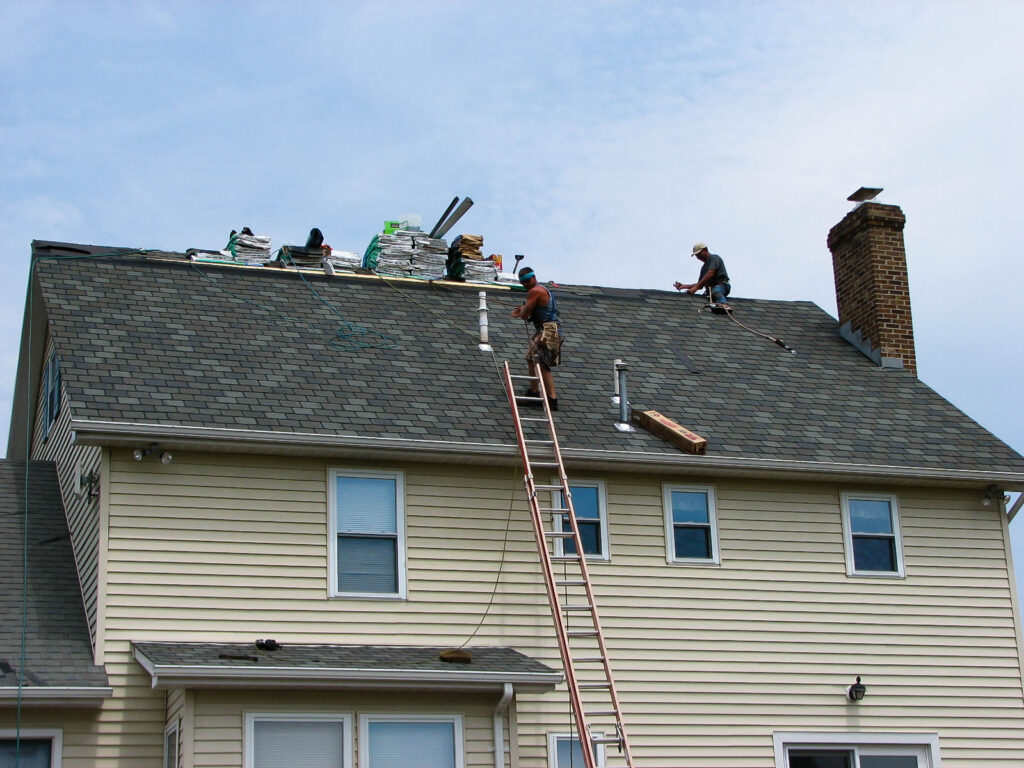
If both need work, replace the roof first. The roof protects everything below it, including your siding, framing, insulation, and interior finishes, and an active roof leak will quietly ruin whatever you install beneath it. Siding goes first only when the roof is genuinely sound and the siding shows real failures like cracking, warping, or water getting behind the panels.
The logic is simple: water always wins. A faded wall is a cosmetic problem you can live with for a season. A compromised roof is a structural problem already in progress, whether or not a stain has reached the ceiling yet.
How to judge what shape each is in
Age is the first filter. Architectural shingles typically last 25 to 30 years in our climate, while vinyl siding runs 20 to 40. Then look for evidence on the roof: missing or curling shingles, granules collecting in the gutters, dark streaks, or daylight and stains visible from the attic. Those signs mean the countdown has started, even if no leak has announced itself indoors yet.
Siding tells its own story. Cracked or loose panels, warping or buckling, chalky residue on your hand after you touch it, peeling paint on interior walls that back up to the exterior, or a creeping energy bill can all mean water or air is getting behind the panels. When that is happening, siding jumps up the priority list fast, because hidden moisture rots sheathing long before anything looks dramatic from the curb.
What each project costs and returns
For a typical Winchester home, a full asphalt shingle replacement generally runs $9,000 to $16,000, while a full vinyl siding replacement usually lands between $13,000 and $22,000, with premium materials like fiber cement running higher. Prices vary with home size, height, and material grade, so get itemized quotes on your actual house before penciling out a plan.
Both projects return real value at resale, commonly recovering somewhere in the range of 60 to 80 percent of their cost, and both transform curb appeal. But buyers and inspectors treat them differently. A bad roof shows up in every inspection report as an immediate deduction and can complicate the buyer’s financing, while tired siding usually just costs you some negotiating room. That asymmetry is one more reason the roof leads.
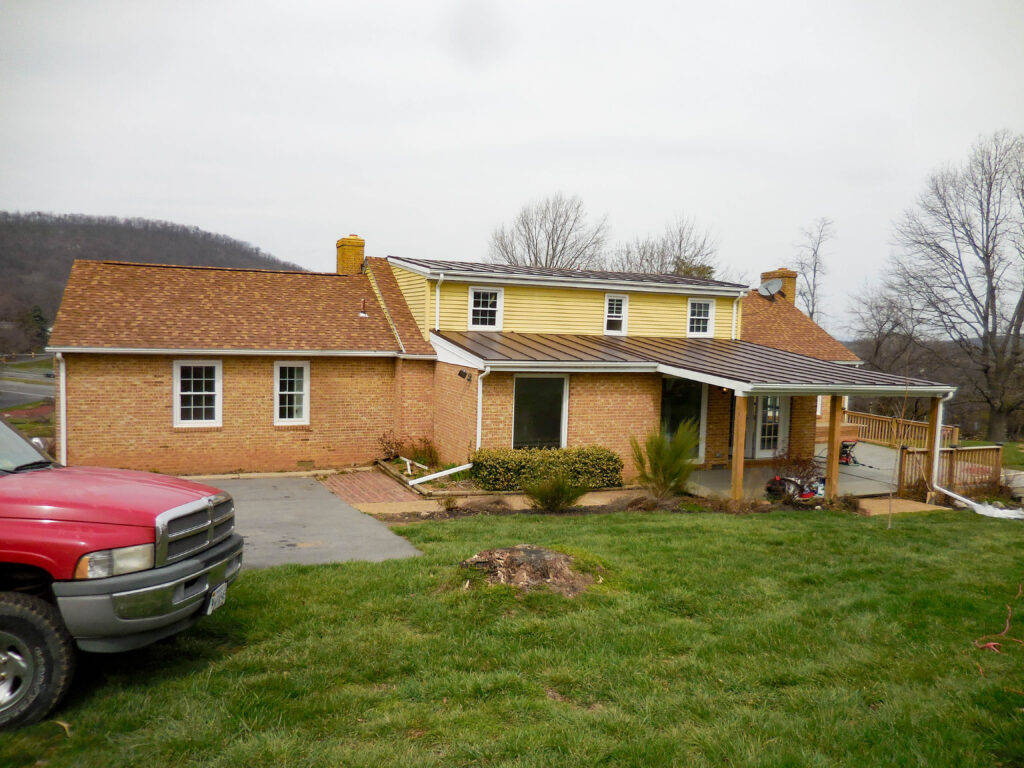
When one project forces the other
Storms do not respect your sequencing. The same wind and hail that bruises a roof often peppers the siding on one exposure of the house, and a single insurance claim can end up covering both. After any serious Winchester storm, have the whole exterior inspected at once so all the damage is documented together while the date and cause are still clear.
The two systems also physically overlap. Flashing where roof planes meet walls, drip edge, gutters, and trim all live at the boundary between the two, and replacing things in the wrong order can mean tearing into brand new work. When both projects are coming eventually, a contractor who plans the sequence protects each warranty and keeps the details watertight exactly where the roof meets the walls.
Sequencing both without wrecking the budget
The most comfortable pattern we see: roof now, siding in 12 to 24 months. It follows the protection logic, spreads the spending across budget years, and leaves room to arrange financing for each phase calmly instead of in a panic. If cash flow is the constraint, financing options and promotional terms can make that schedule friendlier still.
There are quiet advantages to using one contractor for both phases: colors and trim planned as a single design instead of two separate guesses, clear accountability at the roof to wall boundary, and often better pricing on the second project. At minimum, tell your roofer that siding is coming later, so flashing and drip edge decisions made this year anticipate the work arriving next year.
Bottom Line
When the exterior budget only covers one project, the roof almost always goes first, because it protects everything else, including the siding you will install later. Judge both systems honestly by age and symptoms, expect roughly $9,000 to $16,000 for a typical roof and $13,000 to $22,000 for siding, and remember prices vary by home. Then sequence the work deliberately instead of gambling on a leak. Gregory’s Roofing Of Winchester handles roofing, siding, and gutters, and we are glad to walk your exterior and map the order that protects both the house and the budget.
Related reading: Roof Financing in Winchester