
Flat and Low Slope Roofing in Winchester, VA: What Actually Works
Not every roof around Winchester is a peaked field of shingles. Porch roofs, additions, sunrooms, shed dormers, garages, and the flat topped buildings of Old Town and the downtown blocks all carry low slope roofs, and low slope is its own discipline with its own materials and its own failure modes.
A surprising share of the chronic leaks we chase trace back to one root cause: somebody treated a low slope section like a small shingle roof. Here is what belongs on these roofs instead, what each option costs, and how to keep whichever one you have out of trouble.
What is the best material for a flat roof?
For most residential flat and low slope sections around Winchester, EPDM rubber membrane offers the best durability for the dollar, which is why it covers so many porch roofs and additions. TPO, the white heat welded membrane, leads on commercial buildings and anywhere summer heat reflection matters. Modified bitumen suits small sections that see foot traffic. The one firm rule sits underneath all three: any roof below a 2 in 12 pitch needs a membrane system, not shingles.
Which membrane wins on your roof comes down to size, sun exposure, and what sits above and around it. The comparison below sorts most cases.
Why shingles fail on low slopes
Shingles are a shedding system, not a sealing one. They work because gravity moves water downhill fast, each course dumping onto the one below. Flatten the pitch and the physics quit: water lingers, wind pushes rain sideways and uphill under the laps, and capillary action wicks moisture between courses that were never sealed against standing water. Manufacturers publish minimum pitches and void their warranties below them for exactly these reasons.
The local version of this story is the porch or addition that got shingled to match the house, then leaked politely for a decade while everyone blamed the flashing. More sealant is never the cure. A membrane is.
The three membranes, compared honestly
EPDM is a synthetic rubber sheet with half a century of track record: 20 to 30 years of service, forgiving to repair, and typically $8 to $14 per square foot installed at residential scale. Its one quirk is color, black runs hot in July, which matters over bedrooms and sunrooms. TPO answers that with a white reflective surface and heat welded seams stronger than any glue line, at similar or slightly higher pricing, and it dominates commercial work. Modified bitumen is the tough one, asphalt based rolls with a granulated surface that reads closer to a traditional roof from an upstairs window, and it shrugs off the occasional foot traffic that would stress a bare membrane.
One honest note on small jobs: minimum charges bend the per foot math on a little porch roof, so compare total price, not unit price, when quotes arrive.
Where these roofs live on Winchester homes
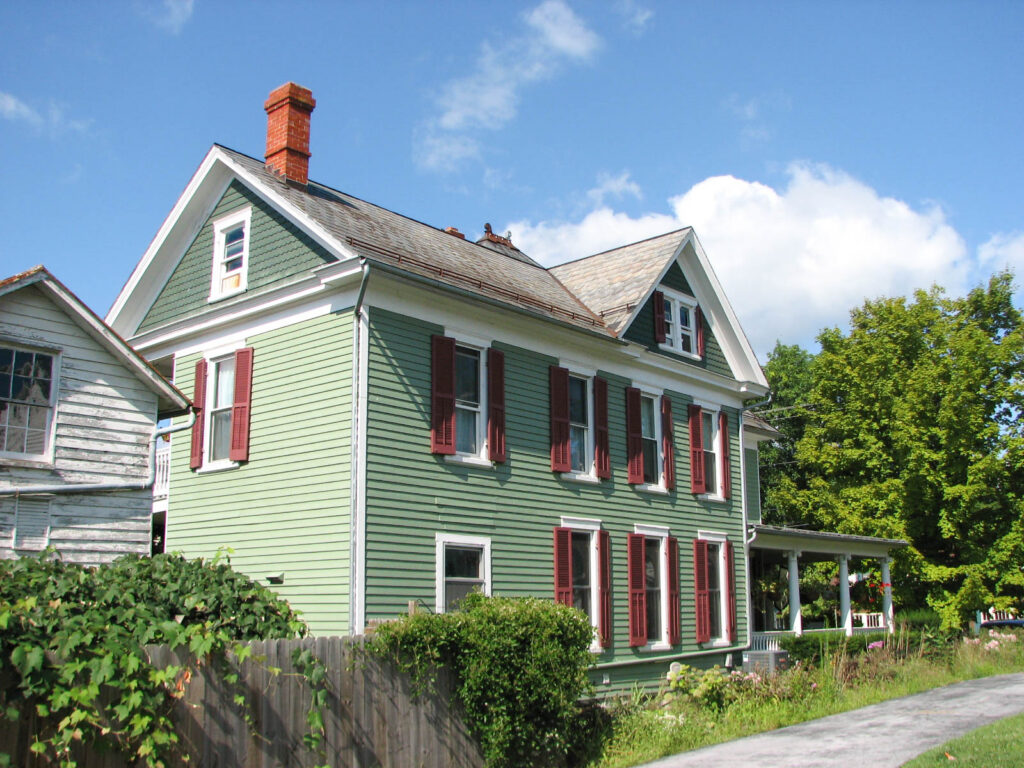
The typical candidates: back porch roofs and sunrooms, additions built onto older houses, shed dormers, the flat deck over a bay window or front porch, garages and carports, and the parapet walled flats above downtown storefronts. Most Winchester homes with a low slope section have a steep shingle roof right beside it, and the seam where the two systems meet is the single most important detail on the whole project.
That transition, membrane running up under the shingle courses, flashed and terminated correctly, is where a contractor who does both steep and low slope work earns the job. Leaks love boundaries.
Maintenance and the fall calendar
Membrane roofs ask little, but they do ask. Keep drains, scuppers, and low corners clear, especially once the leaves start dropping, since a clogged scupper turns a roof into a bathtub. Watch for ponding that outlasts a couple of days, check seams and terminations every few seasons, and keep an eye on anything mounted through the surface. Snow itself is rarely the problem on a sound structure. Meltwater with nowhere to drain is.
Timing matters for the work itself. Adhesives and heat welding want warm, dry weather, which makes late summer and fall the ideal installation window and a January membrane emergency a compromised, miserable job. If a low slope section is limping, fix it before the freeze, not after the ceiling stain.
Bottom Line
Flat and low slope roofs work beautifully when the material matches the pitch: EPDM for most home sections, TPO where heat and reflectivity matter, modified bitumen for small decks that get walked on, and never shingles below 2 in 12. Budget in the $8 to $14 per square foot range and put the transitions in experienced hands. Gregory’s Roofing Of Winchester installs and repairs flat and low slope roofing across Winchester and Frederick County, from porch roofs to downtown buildings, and fall is the right season to get yours watertight.
Related reading: Skylights in Winchester, VA: Daylight Without the Leaks, Attic Condensation: Why Winchester, VA Attics Get Wet When the Roof Is Fine


