|

Winchester's Trusted Roofers For Over 70 Years

Author: Zackary Michael

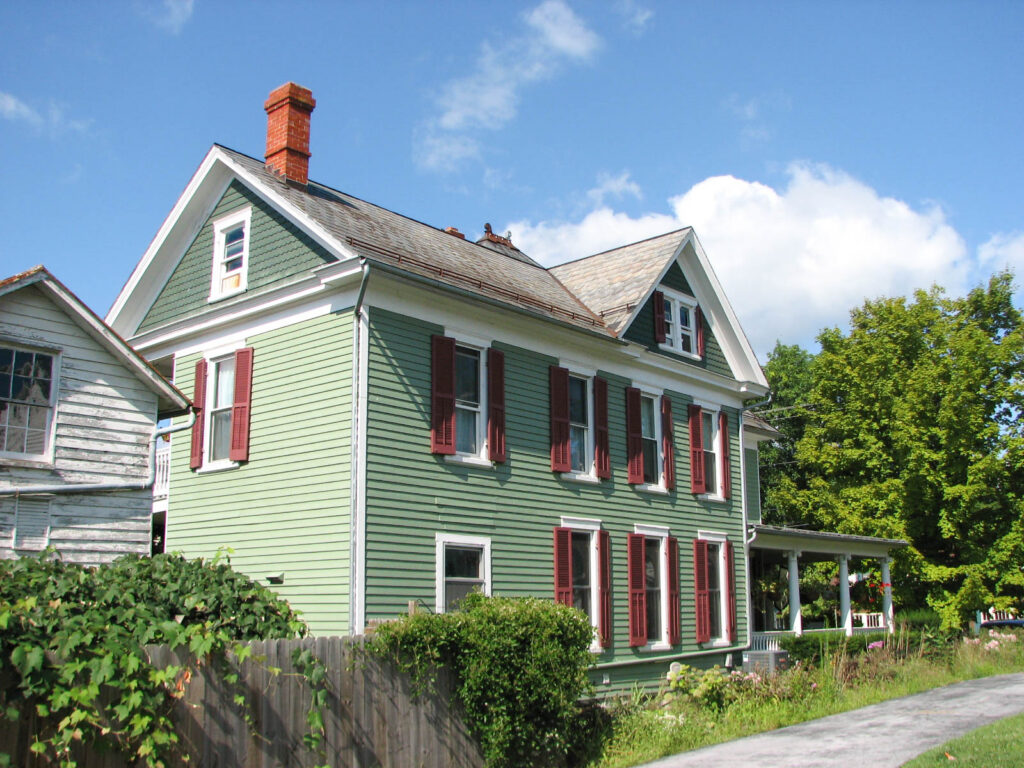
Roofing vs Siding: Where to Invest First for Your Winchester Exterior

Sooner or later most homeowners face the exterior double feature: the roof is tired, the siding is faded, and the budget will only stretch to one of them this year. Picking wrong can mean paying twice, because a failure in one system has a way of damaging the other.

There is a sensible order to this decision, and it starts with what each system actually protects. Here is how to prioritize the two projects for a Winchester home, what each one costs and returns, and how to sequence both without wrecking the budget.

Should you replace your roof or siding first?

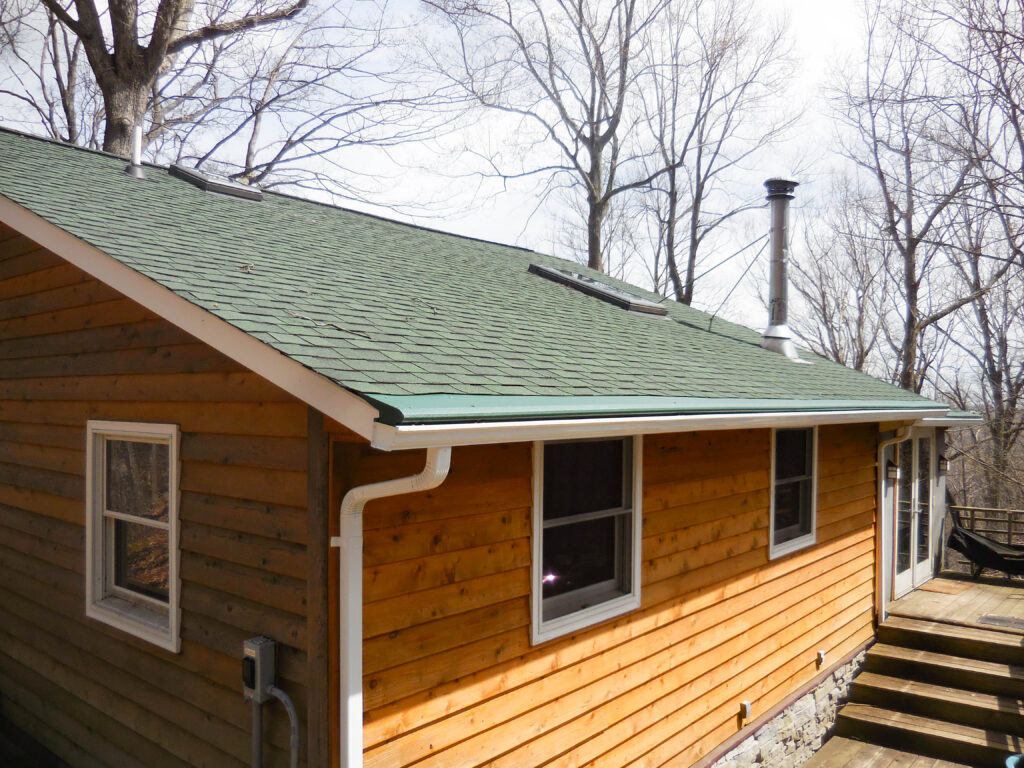
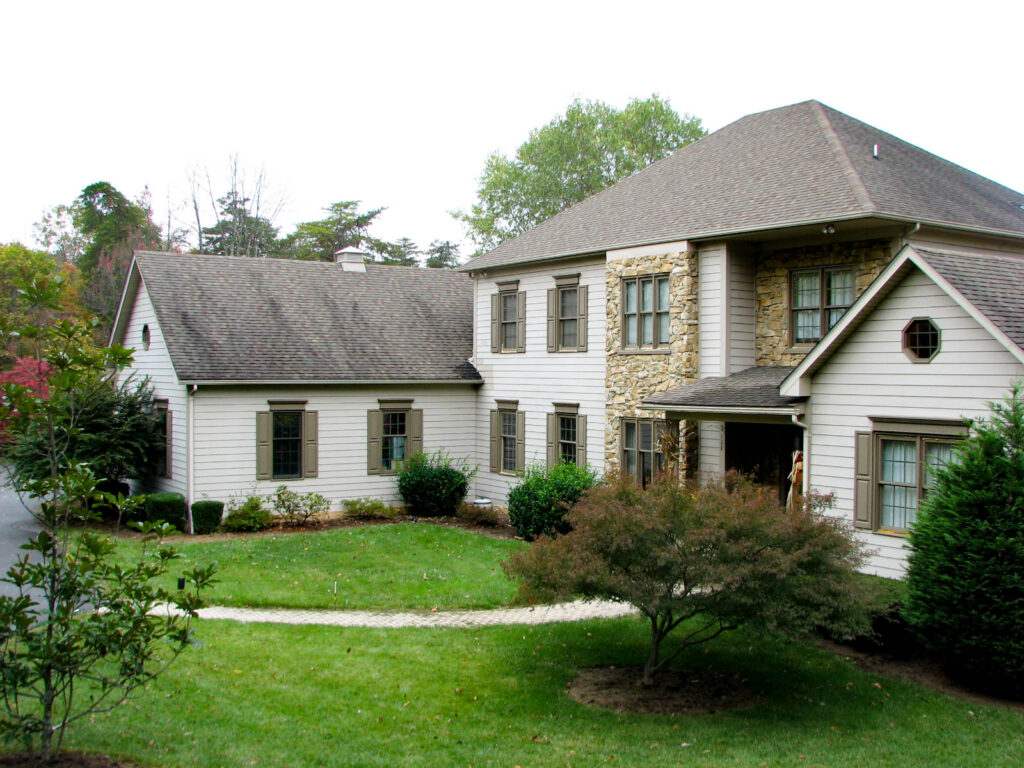
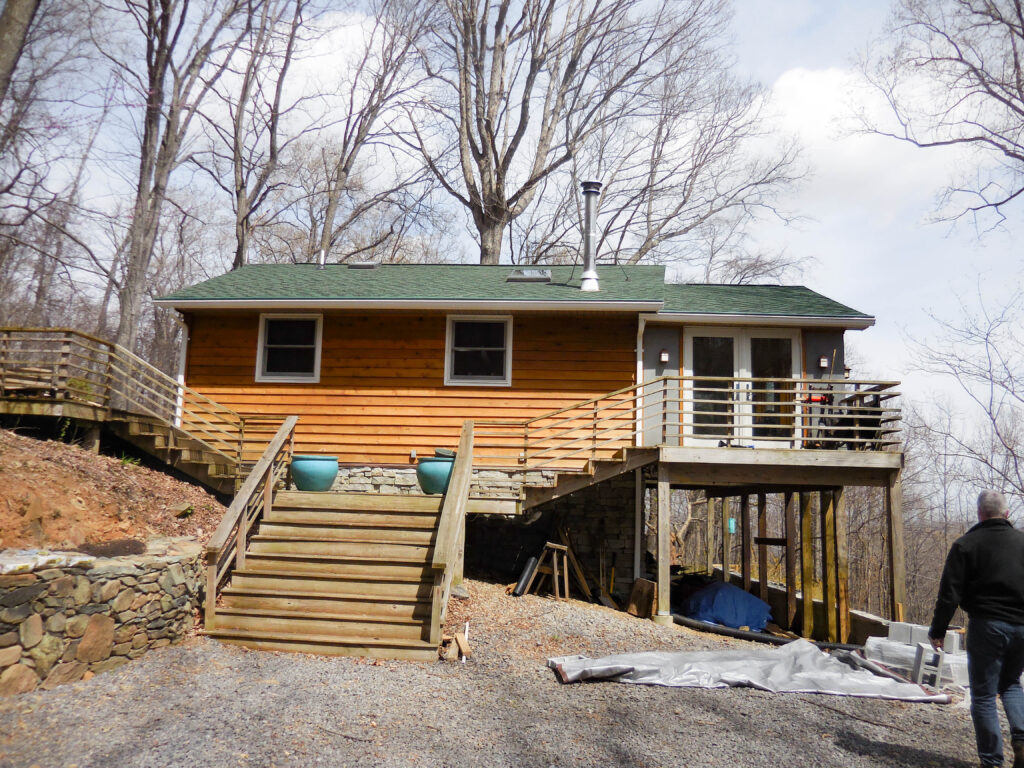
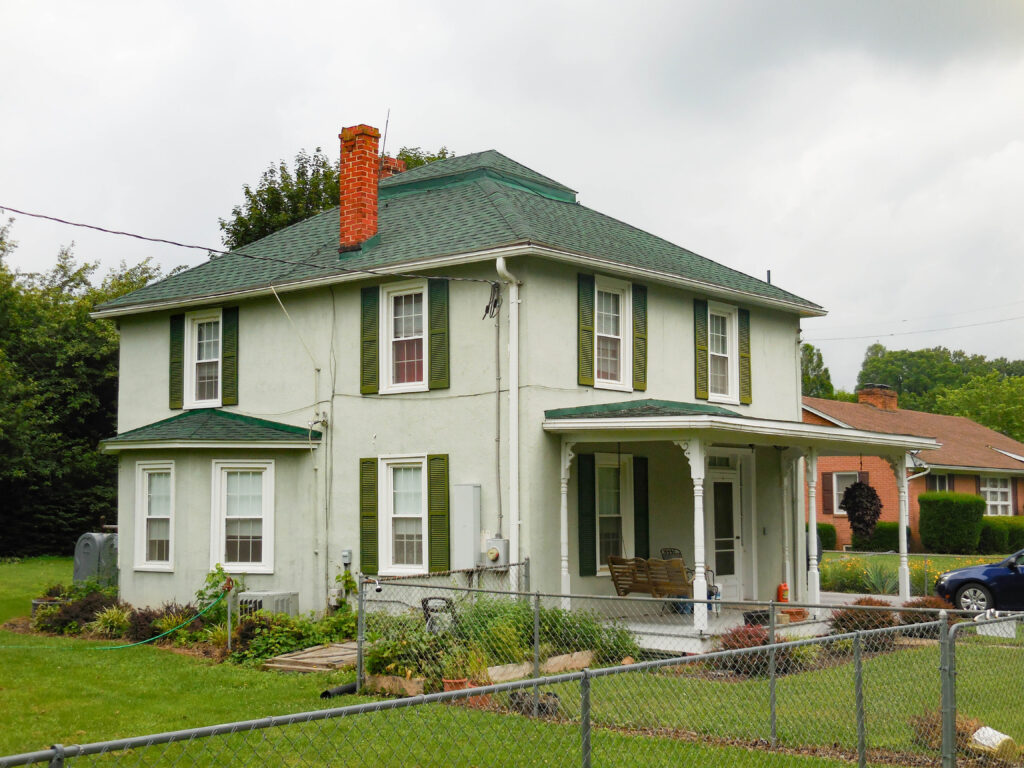
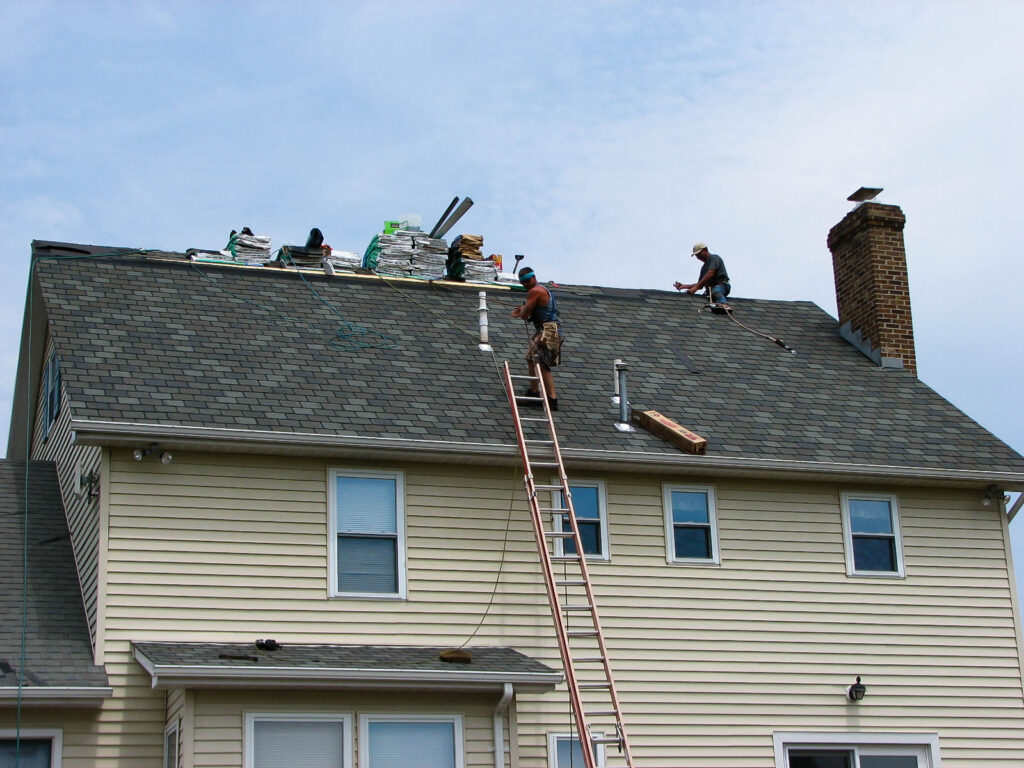
If both need work, replace the roof first. The roof protects everything below it, including your siding, framing, insulation, and interior finishes, and an active roof leak will quietly ruin whatever you install beneath it. Siding goes first only when the roof is genuinely sound and the siding shows real failures like cracking, warping, or water getting behind the panels.

The logic is simple: water always wins. A faded wall is a cosmetic problem you can live with for a season. A compromised roof is a structural problem already in progress, whether or not a stain has reached the ceiling yet.

Should you replace your roof or siding first?, Gregory's Roofing Of Winchester

How to judge what shape each is in

Age is the first filter. Architectural shingles typically last 25 to 30 years in our climate, while vinyl siding runs 20 to 40. Then look for evidence on the roof: missing or curling shingles, granules collecting in the gutters, dark streaks, or daylight and stains visible from the attic. Those signs mean the countdown has started, even if no leak has announced itself indoors yet.

Siding tells its own story. Cracked or loose panels, warping or buckling, chalky residue on your hand after you touch it, peeling paint on interior walls that back up to the exterior, or a creeping energy bill can all mean water or air is getting behind the panels. When that is happening, siding jumps up the priority list fast, because hidden moisture rots sheathing long before anything looks dramatic from the curb.

What each project costs and returns

For a typical Winchester home, a full asphalt shingle replacement generally runs $9,000 to $16,000, while a full vinyl siding replacement usually lands between $13,000 and $22,000, with premium materials like fiber cement running higher. Prices vary with home size, height, and material grade, so get itemized quotes on your actual house before penciling out a plan.

Both projects return real value at resale, commonly recovering somewhere in the range of 60 to 80 percent of their cost, and both transform curb appeal. But buyers and inspectors treat them differently. A bad roof shows up in every inspection report as an immediate deduction and can complicate the buyer’s financing, while tired siding usually just costs you some negotiating room. That asymmetry is one more reason the roof leads.

What each project costs and returns, Gregory's Roofing Of Winchester

When one project forces the other

Storms do not respect your sequencing. The same wind and hail that bruises a roof often peppers the siding on one exposure of the house, and a single insurance claim can end up covering both. After any serious Winchester storm, have the whole exterior inspected at once so all the damage is documented together while the date and cause are still clear.

The two systems also physically overlap. Flashing where roof planes meet walls, drip edge, gutters, and trim all live at the boundary between the two, and replacing things in the wrong order can mean tearing into brand new work. When both projects are coming eventually, a contractor who plans the sequence protects each warranty and keeps the details watertight exactly where the roof meets the walls.

Sequencing both without wrecking the budget

The most comfortable pattern we see: roof now, siding in 12 to 24 months. It follows the protection logic, spreads the spending across budget years, and leaves room to arrange financing for each phase calmly instead of in a panic. If cash flow is the constraint, financing options and promotional terms can make that schedule friendlier still.

There are quiet advantages to using one contractor for both phases: colors and trim planned as a single design instead of two separate guesses, clear accountability at the roof to wall boundary, and often better pricing on the second project. At minimum, tell your roofer that siding is coming later, so flashing and drip edge decisions made this year anticipate the work arriving next year.

Bottom Line

When the exterior budget only covers one project, the roof almost always goes first, because it protects everything else, including the siding you will install later. Judge both systems honestly by age and symptoms, expect roughly $9,000 to $16,000 for a typical roof and $13,000 to $22,000 for siding, and remember prices vary by home. Then sequence the work deliberately instead of gambling on a leak. Gregory’s Roofing Of Winchester handles roofing, siding, and gutters, and we are glad to walk your exterior and map the order that protects both the house and the budget.
Related reading: Roof Financing in Winchester

Why Roof Ventilation Matters for Winchester, VA Homeowners

Most roof problems announce themselves: missing shingles, water stains, a drip over the kitchen table. Ventilation problems stay quiet. They cook your shingles from below in July, soak your rafters in February, and most homeowners never connect the upstairs bedroom that will not cool down to the attic sitting right above it.

Here is what roof ventilation actually does, how Winchester’s climate punishes attics that cannot breathe, and the signals that yours is one of them. None of this requires a ladder to check, and some of it you can spot from the hallway.

What does roof ventilation actually do?

Roof ventilation pulls fresh air in through intake vents at the soffits and pushes hot, moist air out through exhaust vents at or near the ridge. That steady airflow keeps summer attic heat from baking your shingles, stops winter moisture from condensing on the underside of the roof deck, and helps prevent the ice dams Winchester winters are known for.

The system only works in balance. Exhaust without enough intake starts pulling conditioned air out of your living space, while intake without exhaust just traps heat at the peak. Roughly equal intake and exhaust, sized to the attic’s square footage, is the target every good roofer designs around.

What does roof ventilation actually do?, Gregory's Roofing Of Winchester

Summer: the attic that bakes your shingles

On a 95 degree July afternoon in the Valley, a poorly vented attic can push past 150 degrees. All that trapped heat radiates down into bedrooms, forces the air conditioning to run longer, and cooks shingles from underneath, aging them years ahead of schedule. Shingle manufacturers take it seriously enough that inadequate ventilation can reduce or void warranty coverage on an otherwise perfect installation.

The complaint we hear most is the upstairs that never cools no matter where the thermostat is set. Before blaming the AC unit, it is worth asking whether the attic above those rooms is running 50 degrees hotter than the outdoor air all afternoon and radiating like a woodstove well into the evening.

Winter: moisture, mold, and ice dams

Everyday living pushes warm, moist air upward: showers, cooking, laundry, even breathing. In a stagnant attic, that moisture condenses on the cold underside of the roof deck. Over a Winchester winter that means damp insulation, frost on nail tips, mold spotting, and decking that slowly rots from the inside. Wet insulation also loses much of its insulating value, so the heating bill creeps up while the attic quietly gets worse.

Ventilation is also half the ice dam story. A warm attic melts the snow blanket on the roof, the meltwater runs down to the cold eaves and refreezes, and the growing dam pushes water backward under the shingles. Balanced airflow keeps the whole roof deck close to the outdoor temperature, so snow melts evenly off the surface instead of feeding the dam at the gutter line.

Winter: moisture, mold, and ice dams, Gregory's Roofing Of Winchester

Signs your attic is not breathing

Plenty of signals show up without a ladder. Ice at the eaves every winter, shingles curling or aging faster than the same era roofs next door, and that radiant heat feeling from upstairs ceilings on summer evenings all point the same direction. Inside the attic, look for frost on nails in January, matted or damp insulation, dark staining on the deck, or a musty smell when you open the hatch.

Also check the simplest failure of all: blocked intake. Blown insulation drifts over soffit vents constantly, and painted over or screened over soffits choke airflow just as thoroughly as having no vents at all. A surprising number of attics have adequate ventilation on paper that is simply buried or sealed shut in practice, which is why a physical inspection beats a math check.

How ventilation gets fixed

The usual prescription is a continuous ridge vent paired with clear, adequate soffit intake, with baffles installed so insulation holds its R value without smothering the airflow path. Sometimes the right move is subtraction: mixing exhaust types, like adding a powered fan to a ridge vented roof, can short circuit the natural flow and pull weather in through the ridge, so more hardware is not automatically better.

Roof replacement is the cheapest moment to get all of this right, since ridge vents and intake corrections fold neatly into the larger job. But if your roof is otherwise healthy, ventilation can usually be corrected on its own for far less than the damage it quietly prevents. Either way, work with a contractor who measures intake and exhaust rather than eyeballing it from the driveway.

Bottom Line

Ventilation is the quiet system that decides how long your roof lasts, what the upstairs feels like in July, and whether February brings ice dams to your eaves. The warning signs, from curling shingles to frost on attic nails, are easy to check and inexpensive to fix compared to what they prevent. If nobody has evaluated your attic airflow in years, fold it into your next roof inspection. Gregory’s Roofing Of Winchester checks ventilation as part of every roof assessment and can tell you exactly what your attic needs to breathe right.

Related reading: How to Prevent Ice Dams on Your Winchester Roof, Metal vs Shingle Roofing

Roof Financing in Winchester, VA: How to Pay for a New Roof

A roof rarely fails on a convenient schedule. It fails after a February ice storm or a June hail event, and suddenly a five figure project jumps the line ahead of everything else in the family budget. That collision between urgency and cost is where most roofing stress actually lives.

Here is the reassuring part: almost nobody writes a single check for a roof, and you have far more routes than the credit card in your wallet. This guide walks through how Winchester homeowners actually pay for roofs and how to pick the route that costs you the least over time.

How do most homeowners pay for a new roof?

Most Winchester homeowners pay for a new roof one of four ways: financing arranged through their roofing contractor, a home equity loan or line of credit, a personal loan, or an insurance claim when storm damage caused the failure. Monthly payments on a typical roof often land between $150 and $350, depending on the amount financed, the rate, and the term length.

The right route depends on your home equity, your credit, and how fast the roof needs to happen. A leaking roof compresses that decision into days, which is one more argument for acting on a tired roof a season early, while you can still shop terms calmly.

How do most homeowners pay for a new roof?, Gregory's Roofing Of Winchester

What a new roof costs here right now

Most full asphalt shingle replacements in Winchester run $9,000 to $16,000, with larger or steeper roofs, multiple tear off layers, and hidden decking repairs pushing the number higher. Metal roofing typically costs two to three times more than shingles. Prices vary by home, so get an itemized written estimate before you compare any loans, because you cannot finance intelligently against a guess.

Waiting carries its own price tag. A roof at the end of its life lets water reach decking, insulation, and drywall, and those repairs stack on top of the replacement you were postponing. Financing exists precisely so a $12,000 problem does not quietly become an $18,000 one while you save up for it.

Comparing your financing routes

Contractor arranged financing is usually the fastest path: application to approval within a day, often with promotional windows like reduced or zero interest for 12 to 18 months. It shines for urgent replacements. Just read the terms closely, because deferred interest promotions charge interest back to day one if any balance remains when the promotional clock runs out.

Home equity loans and lines of credit usually carry the lowest rates because the house secures them, and the interest may be deductible when the funds improve the home, though closing takes weeks and involves fees. Personal loans sit in the middle: quick, no collateral, higher rates. Credit cards belong last on the list, useful for bridging a small gap but an expensive way to carry an entire roof.

Comparing your financing routes, Gregory's Roofing Of Winchester

When insurance should pay instead of you

If wind or hail damaged your roof, your homeowners policy may owe you a replacement minus your deductible, and financing should only cover what insurance legitimately does not. After any serious Winchester storm, photograph what you can see safely, note the date, and get a professional inspection before assuming the roof simply aged out on its own.

Timing matters, because most policies require claims within a set window after the storm. An experienced local roofer can tell storm damage from ordinary wear, meet the adjuster on site, and keep the scope honest in both directions. Never let anyone talk you into inflating a claim. You want exactly what the policy owes, documented well, and nothing more.

Keeping the payment manageable

Finance the roof you need, not the most expensive package on the brochure. An itemized quote shows you where the money goes and which line items, like upgraded shingle tiers or new gutters, are choices rather than requirements. Then compare offers on total cost of borrowing, not just the monthly payment, since stretching the term buys a smaller payment at a higher overall price.

A little lead time beats the emergency version of this decision every time. If your roof is 18 to 25 years old, get it inspected now and start collecting quotes while it still has a season or two left. Numbers in hand early mean you choose financing on your terms instead of signing whatever gets a tarp off the roof fastest in a rainstorm.

Bottom Line

A new roof in Winchester typically runs $9,000 to $16,000, and between contractor financing, home equity, personal loans, and legitimate insurance claims, there is a workable payment path for nearly every situation. Compare total borrowing cost, watch the deferred interest fine print, and let insurance pay when a storm did the damage. Gregory’s Roofing Of Winchester offers financing options and honest itemized quotes, so you can protect the house first and pay for it sensibly.

Related reading: Metal vs Shingle Roofing in Winchester

Metal vs Shingle Roofing in Winchester, VA: Which Is Right for Your Home?

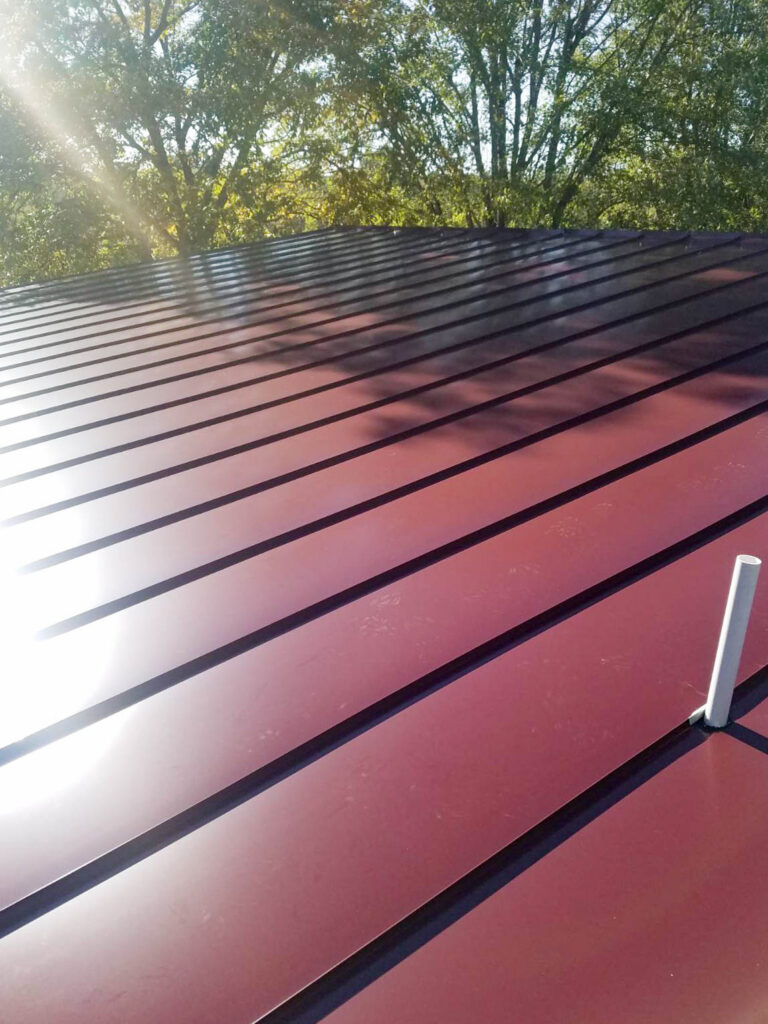
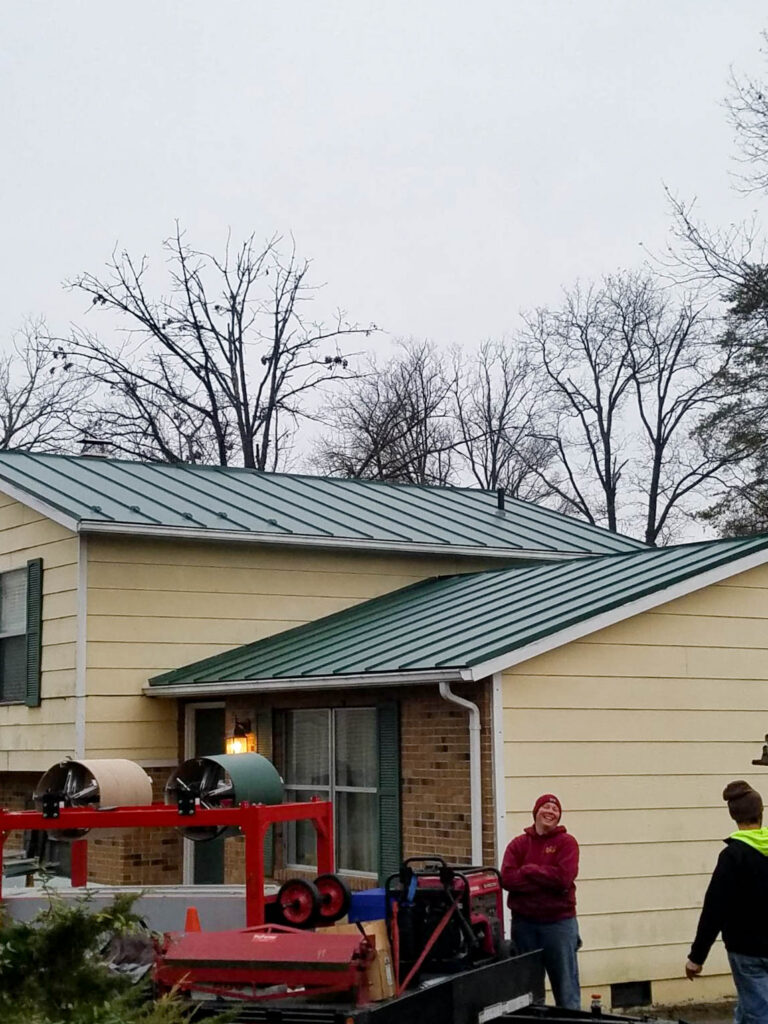
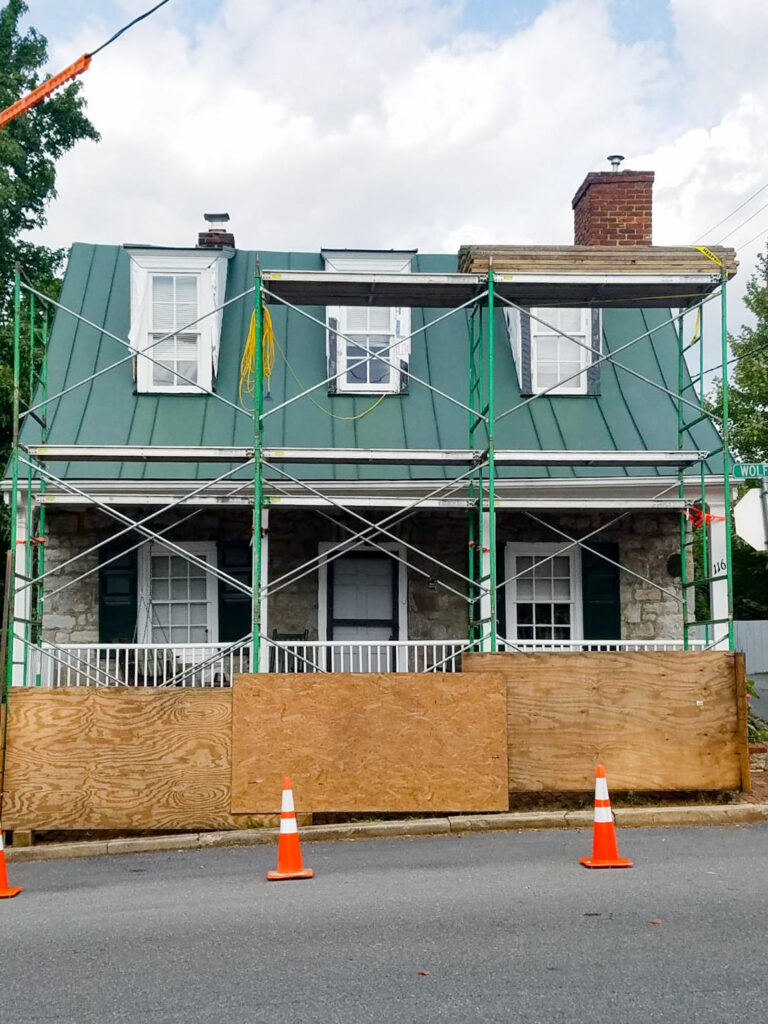
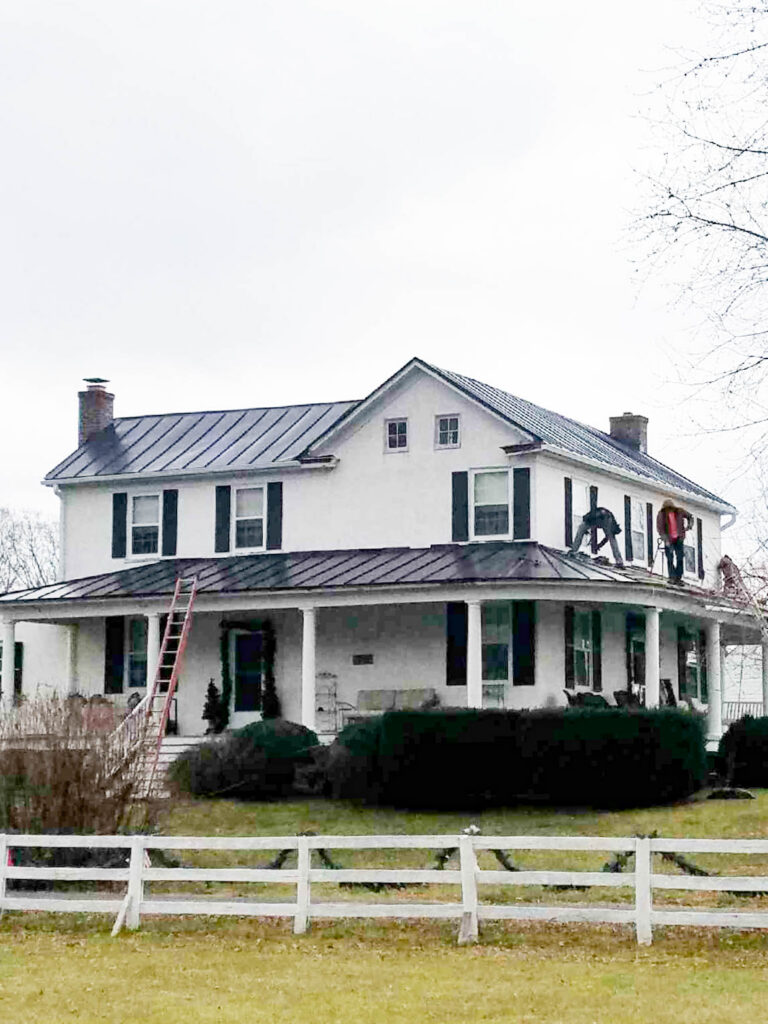
Drive through Frederick County and you can watch the shift happening: standing seam metal going up on farmhouses and new builds, architectural shingles covering most everything else. Homeowners replacing a roof in Winchester now face a genuine choice that their parents never had to think about.

Both are good roofs when installed well. The right one for you depends on your budget, how long you plan to stay in the house, and what you want the place to say from the street. Here is the honest comparison, without the sales pitch attached.

Is a metal roof better than shingles in Winchester?

Metal lasts longer and handles snow and storms exceptionally well, but it costs two to three times more upfront. A standing seam metal roof can protect a Winchester home for 40 to 70 years, while quality architectural shingles typically deliver 25 to 30. If you plan to stay for decades, metal often wins the long math. If you may sell within ten years, shingles usually make more sense.

That is the short version most pitches skip past. The rest of the decision lives in the details: cost per year of protection, how each material behaves in Valley weather, and what fits your neighborhood. Let us take those in order.

Is a metal roof better than shingles in Winchester?, Gregory's Roofing Of Winchester

The cost gap, upfront and over time

For a typical Winchester home, a full architectural shingle replacement generally runs $9,000 to $16,000, while standing seam metal runs $20,000 to $38,000. Prices vary with roof size, pitch, tear off requirements, and material grade, so treat these as planning ranges rather than quotes for your specific house.

The long math narrows the gap considerably. A $12,000 shingle roof that lasts 27 years costs about $445 per year of protection. A $28,000 metal roof that lasts 55 years costs about $510 per year, and it may be the last roof you ever buy, with fewer repairs along the way. Metal can also earn insurance discounts and a resale bump, though neither should carry the decision by itself.

How each roof handles Shenandoah Valley weather

Winchester roofs earn their keep: freeze and thaw cycles all winter, wet heavy snows, summer thunderstorms with wind and hail, and humid July heat. Metal sheds snow readily and shrugs off freeze thaw stress, and its slick surface gives ice less to grip, which helps with the ice dam problems older homes here know too well. Metal also reflects summer sun, which can trim cooling costs in the rooms under the roof.

Modern architectural shingles are no slouch either, with wind ratings up to 130 mph when properly installed and far better hail resistance than the thin three tab products of decades past. The real difference is aging speed. Shingles slowly surrender granules and flexibility to sun and temperature swings, while metal mostly just needs its fasteners and seams checked as the decades roll by. Hail is the one place metal takes cosmetic dents while shingles lose granules, a tradeoff worth discussing with your insurer.

How each roof handles Shenandoah Valley weather, Gregory's Roofing Of Winchester

Looks, noise, and neighborhood fit

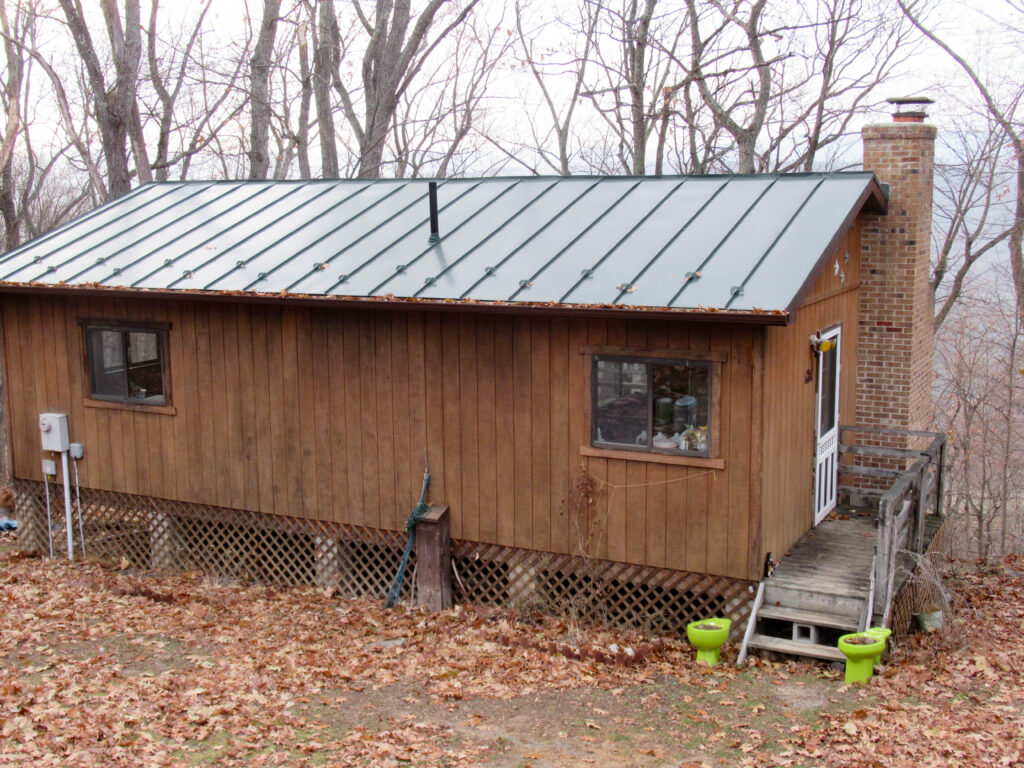
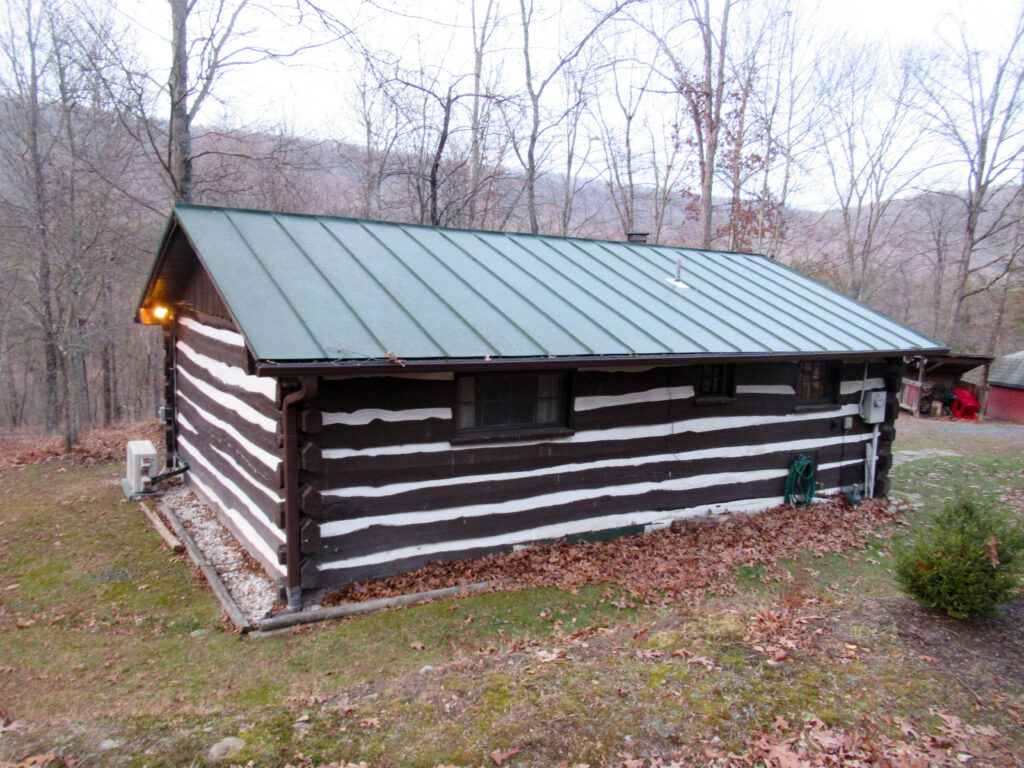
Shingles offer the widest range of colors and textures and blend into nearly every Winchester neighborhood, which makes them the easy call in HOA communities and historic districts where a metal profile might feel out of place. Metal has its own pull: crisp standing seam lines suit farmhouses, cabins, and modern builds, and around Frederick County it increasingly reads as a premium upgrade.

The rain noise worry is mostly a myth on houses. Over solid decking and attic insulation, a metal roof sounds only marginally different from shingles in the rooms below; the loud drumming people remember comes from open barns and carports. What deserves real thought instead is snow shedding above doorways, which good metal installations manage with snow guards, and coordinating gutters and trim so the whole exterior reads as one design.

Which roof fits which homeowner

Choose shingles if budget leads, if you may sell within a decade, since buyers rarely repay the full metal premium, or if blending into the streetscape matters most. A well installed architectural shingle roof with proper ventilation will serve a Winchester home for a generation, and that is nothing to apologize for.

Choose metal if this is your long term home, if you are tired of wondering about every storm, or if you are roofing a farmhouse or a steep pitch where snow shedding genuinely helps. Whichever way you lean, installer quality matters more than material. A poorly installed metal roof loses to a well installed shingle roof every single time, so vet the contractor as carefully as the product.

Bottom Line

Shingles win on upfront cost and neighborhood flexibility, while metal wins on lifespan, snow performance, and the long math. For most Winchester homes, the decision comes down to how long you will own the roof you are about to buy. Get both options priced on your actual roof before deciding, since pitch and complexity can shift the gap in either direction. Gregory’s Roofing Of Winchester installs both and will give you a straight comparison for your home, not a push toward the more expensive line on the quote.

Related reading: Signs You Need a New Roof in Winchester

Fall Roof and Gutter Maintenance Tips for Winchester Homeowners

Fall is the most important season for roof and gutter care in Winchester. The work you do before the first freeze determines how well your home holds up once snow, ice, and freezing temperatures arrive.

A little maintenance now prevents the leaks, clogs, and ice dams that catch so many homeowners off guard in winter. These simple fall tasks keep your roof ready for the toughest months of the year.

Why Is Fall Roof Maintenance Important?

Fall roof maintenance is important because it prepares your roof and gutters to handle winter snow, ice, and freezing temperatures before they arrive. Clearing gutters, checking shingles and flashing, and inspecting the attic in autumn prevents leaks and ice dams once cold weather sets in. Catching small issues in fall is far easier and cheaper than dealing with winter damage.

Winchester winters put steady stress on roofing systems. Entering that season with a clean, sound roof is the best way to avoid mid winter emergencies.

Why Is Fall Roof Maintenance Important?, Gregory's Roofing Of Winchester

Clean and Inspect Your Gutters

Fallen leaves and debris clog gutters quickly in autumn, and clogged gutters cannot drain properly. When water backs up and freezes at the roof edge, it contributes directly to ice dams and roof leaks.

Clear your gutters thoroughly and make sure downspouts carry water well away from the foundation. While you are at it, check that the gutters are secure and free of sagging or separation.

Check Shingles and Flashing

Inspect the roof for shingles that are cracked, curled, loose, or missing, and replace them before winter. Damaged shingles are weak points that cold weather and ice will only make worse.

Pay close attention to the flashing around chimneys, vents, and skylights. These sealed joints are common leak sources, and repairing them in fall keeps water out during the freezing months.

Check Shingles and Flashing, Gregory's Roofing Of Winchester

Trim Overhanging Branches

Branches that hang over the roof become a hazard once they are loaded with snow and ice. They can scrape shingles, break under the weight, and cause serious damage.

Trimming back overhanging limbs in fall reduces that risk and also cuts down on the leaves and debris that end up in your gutters.

Inspect the Attic

Your attic tells you a lot about your roof’s health. Look for signs of moisture, daylight coming through the deck, or damp insulation, all of which point to problems worth addressing before winter.

Confirm that insulation is adequate and vents are clear. A well insulated, properly ventilated attic keeps roof temperatures even and helps prevent the ice dams that cause so many winter leaks.

Bottom Line

Fall roof and gutter maintenance protects your Winchester home from winter leaks, clogs, and ice dams. Clean your gutters, inspect and repair shingles and flashing, trim overhanging branches, and check the attic before the first freeze. A short checklist in autumn saves you from costly repairs once winter arrives.

How to Choose a Reliable Roofing Contractor in Winchester, VA

Your roof is one of the most important investments in your home, and the contractor you hire matters just as much as the materials on it. A skilled, trustworthy roofer delivers work that lasts, while the wrong choice can leave you with poor workmanship and headaches down the road.

Winchester homeowners have plenty of options, which makes knowing how to evaluate a roofing contractor essential. These are the qualities and questions that separate a dependable roofer from a risky one.

What Should You Look For in a Roofing Contractor?

Look for a roofing contractor who is local, experienced, properly licensed and insured, and able to provide clear written estimates and strong warranties. A reliable roofer has a solid reputation in the Winchester area, communicates openly, and never pressures you into rushed decisions. Checking these factors upfront protects your investment and your home.

The best contractors make the process transparent. If a roofer is vague about credentials or pricing, that is a signal to keep looking.

What Should You Look For in a Roofing Contractor?, Gregory's Roofing Of Winchester

Local Reputation and Experience

A contractor with deep roots in Winchester understands the local climate and the roofing challenges that come with it. Local roofers are also easier to hold accountable and more likely to be around for future service or warranty work.

Read reviews, ask for references, and look at examples of completed local projects. A long track record in the community is one of the strongest signs of reliability.

Licensing, Insurance, and Warranties

Always confirm that a contractor is licensed and carries both liability insurance and workers compensation. This protects you from liability if an accident happens on your property and ensures the work meets professional standards.

Ask about warranties as well. A confident roofer stands behind both the materials and the workmanship, and they should explain exactly what each warranty covers.

Licensing, Insurance, and Warranties, Gregory's Roofing Of Winchester

Clear Estimates and Communication

A trustworthy contractor provides a detailed written estimate that spells out the scope of work, materials, timeline, and cost. This prevents surprises and gives you a clear basis for comparing options.

Good communication matters throughout the project. The right roofer answers your questions, keeps you informed, and sets clear expectations before any work begins.

Red Flags to Avoid

Be cautious of contractors who demand large payments upfront, pressure you to sign immediately, or only offer verbal estimates. Storm chasers who appear right after severe weather and push quick deals are another common warning sign.

If a roofer avoids providing proof of licensing and insurance or gives prices that seem far below everyone else, treat it as a reason to walk away.

Bottom Line

Choosing a roofing contractor in Winchester comes down to local experience, proper licensing and insurance, clear written estimates, and strong warranties. Take the time to verify credentials and watch for red flags like upfront pressure and vague pricing. The right contractor protects both your roof and your peace of mind.

What to Do After Storm Damage to Your Winchester Roof

Storms move through the Winchester area fast, but the damage they leave on a roof can linger for months if it goes unaddressed. High winds, hail, and falling debris can loosen shingles and open gaps that let water in long after the sky clears.

Knowing what to do in the hours and days after a storm helps you protect your home, document the damage properly, and get repairs handled before a small problem becomes a costly one.

What Should You Do After Roof Storm Damage?

After a storm, you should safely check for visible damage, document everything with photos, and schedule a professional roof inspection as soon as possible. Look for missing or lifted shingles, dented flashing, and debris on the roof, then contact a roofer before attempting repairs or filing a claim. Acting quickly prevents water intrusion and strengthens any insurance claim you may need to make.

The goal right after a storm is to catch problems early. Even minor visible damage can hide larger issues underneath.

What Should You Do After Roof Storm Damage?, Gregory's Roofing Of Winchester

Check for Visible Damage Safely

Start from the ground. Walk the perimeter of your home and look up at the roof for obvious problems like missing shingles, lifted edges, or debris. Check the yard and gutters for shingle pieces or granules, which are clear signs the roof took a hit.

Never climb onto a storm damaged roof yourself. Wet, loose, or weakened surfaces are dangerous, and a trained roofer can inspect safely and thoroughly.

Look for Signs of Hail and Wind Damage

Hail often leaves dents or dark bruises on shingles and can knock granules loose in scattered spots. Wind damage tends to show up as creased, lifted, or torn shingles, especially along the edges and ridges of the roof.

Also check metal flashing around chimneys and vents for dents or separation. These areas are common entry points for water after a storm.

Look for Signs of Hail and Wind Damage, Gregory's Roofing Of Winchester

Document Everything for Insurance

Before any repairs, take clear photos of all visible damage from the ground and around the property. Note the date of the storm and keep any receipts related to temporary protection, such as tarps. This record supports your insurance claim and helps the adjuster understand the extent of the damage.

Good documentation can be the difference between a smooth claim and a denied one, so be thorough.

Schedule a Professional Inspection

Even if the damage looks minor, have a roofing professional inspect the roof. Many storm related issues are not visible from the ground, and an experienced roofer can identify hidden damage before it turns into a leak.

A professional can also help you understand your repair options and work with your insurance process so nothing gets overlooked.

Bottom Line

After roof storm damage in Winchester, check for visible damage from the ground, document everything with photos, and schedule a professional inspection right away. Quick action protects your home from water intrusion and supports a stronger insurance claim. When in doubt, let a roofer assess the damage before you make repairs.

7 Signs It’s Time to Replace Your Roof in Winchester, VA

A roof rarely fails all at once. It sends warning signs for months or even years before a full replacement becomes urgent. The homeowners who catch those signs early are the ones who avoid interior damage, emergency repairs, and rushed decisions.

If your roof is aging or has been through a few hard Winchester winters, it helps to know exactly what to look for. Here are the clearest signs that it may be time to plan a replacement rather than another patch.

How Do You Know When a Roof Needs Replacing?

A roof usually needs replacing when it shows a combination of age and visible wear, such as curling or missing shingles, granule loss, sagging, and repeated leaks. Most asphalt shingle roofs last around 20 to 25 years, and once several of these signs appear together, ongoing repairs often cost more than a full replacement.

The key is to look at the whole picture. One damaged area can be repaired, but widespread wear across the entire roof points toward the end of its service life.

How Do You Know When a Roof Needs Replacing?, Gregory's Roofing Of Winchester

Age of the Roof

Age is the first thing to consider. If your roof is past the 20 year mark, it is worth having it evaluated even if it looks acceptable from the ground. Materials break down with time and exposure, and an older roof is far more likely to fail during severe weather.

Knowing when your roof was installed gives you a realistic timeline. If a previous owner replaced it, a roofing professional can estimate its remaining life during an inspection.

Curling, Cracked, or Missing Shingles

Shingles should lie flat and uniform. When they start to curl at the edges, crack across the surface, or go missing after storms, the roof is losing its ability to shed water. These issues tend to spread once they begin.

A few damaged shingles may be a simple fix. Widespread curling and cracking across large sections is a strong sign the roof is wearing out as a whole.

Curling, Cracked, or Missing Shingles, Gregory's Roofing Of Winchester

Granules in the Gutters

Asphalt shingles are coated with protective granules. As shingles age, those granules loosen and wash into the gutters, often looking like coarse black sand. Heavy granule loss exposes the shingle underneath to sunlight and moisture and speeds up deterioration.

If you notice granules collecting every time you clean the gutters, your shingles are likely nearing the end of their lifespan.

Sagging or Interior Water Stains

A sagging roofline or a soft, dipping area is a serious warning. It can mean moisture has weakened the decking or structure beneath the surface. This is not something to wait on.

Inside the home, water stains on ceilings or in the attic show that moisture is already getting through. Recurring stains, even after repairs, often mean the roof system can no longer keep water out reliably.

Bottom Line

The clearest signs you need a new roof in Winchester include an age beyond 20 years, curling or missing shingles, granule loss, sagging, and repeated interior leaks. When several of these appear together, replacement is usually smarter than continued repairs. A professional inspection can confirm where your roof stands and how much life it has left.

How to Prevent Ice Dams on Your Winchester, VA Roof

Ice dams are one of the most common cold weather problems for Winchester homeowners, and they often cause damage before anyone realizes what is happening. They form quietly along the edge of the roof, trap water where it does not belong, and force moisture into places it was never meant to reach.

The frustrating part is that ice dams are largely preventable. Once you understand why they form and what makes them worse, you can take a few practical steps to protect your roof through the coldest months of a Winchester winter.

What Causes Ice Dams on Winchester Roofs?

Ice dams form when snow on the upper part of a roof melts, runs down toward the colder eaves, and refreezes into a ridge of ice. That ridge blocks the next round of melting snow from draining, so water backs up under the shingles and works its way into the home. This cycle is common in Winchester because winter temperatures swing above and below freezing so often.

The root cause is usually uneven roof temperature. Heat escaping from the living space warms the upper roof while the eaves stay cold. That temperature difference is what turns ordinary snowmelt into a damaging ice dam.

What Causes Ice Dams on Winchester Roofs?, Gregory's Roofing Of Winchester

How Ice Dams Damage Your Roof

Once water pools behind an ice dam, it has nowhere to go but sideways and down. It slips beneath shingles, soaks the underlayment, and reaches the roof deck. From there it can drip into the attic, saturate insulation, and stain ceilings and walls.

Because the water travels before it appears indoors, the visible leak is often far from the actual ice dam. That makes the damage harder to trace and easy to underestimate until it becomes a major repair.

Attic Insulation and Ventilation

The single best defense against ice dams is a cold, evenly ventilated attic. Good insulation keeps household heat from warming the underside of the roof, and proper ventilation lets any trapped warm air escape before it can melt snow unevenly.

Many older Winchester homes have thin or settled insulation and blocked vents. Improving both keeps the roof surface at a consistent temperature, which is exactly what stops ice dams from forming in the first place.

Attic Insulation and Ventilation, Gregory's Roofing Of Winchester

Keeping Gutters and Roof Edges Clear

Clogged gutters give ice a place to build and block proper drainage at the roof edge. Cleaning them before winter arrives helps meltwater flow away instead of freezing at the eaves.

After heavy snow, gently removing snow from the lower few feet of the roof with a roof rake reduces the material available to refreeze. This small habit can make a real difference during a stretch of freezing and thawing weather.

When to Call a Professional

If you see thick ice along your eaves, icicles loaded with trapped water, or stains forming on interior ceilings, it is time to bring in a roofer. Trying to chip ice off a roof yourself can crack shingles and lead to injury.

A professional can safely relieve the ice dam, find the entry point, and correct the underlying insulation, ventilation, or flashing issue so the problem does not return next winter.

Bottom Line

Ice dams on Winchester roofs are caused by uneven roof temperatures, poor attic insulation and ventilation, and clogged gutters. They are highly preventable with the right winter prep. Keep your attic cold and well ventilated, clear your gutters before the first freeze, and schedule a professional inspection if ice or interior stains appear.

Winter Roof Leaks in Winchester, VA: Causes, Fixes, and Preventiont

Winter weather in Winchester, VA can be hard on homes, especially roofs. Cold temperatures, snow, ice, and frequent freeze-and-thaw cycles all place extra stress on roofing systems. Many homeowners are caught off guard when a roof that seemed fine in the fall suddenly starts leaking in winter. These leaks often begin quietly, then grow into larger problems that cause interior damage, mold, and costly repairs.

The good news is that winter roof leaks are rarely random. They usually come from a few common issues that worsen in cold weather. Understanding why these leaks happen helps homeowners take action early and avoid unnecessary damage. With proper maintenance and timely professional help, most winter roof problems can be prevented or minimized.


Why Do Roof Leaks Happen During Winter in Winchester, VA?

Winter roof leaks in Winchester, VA happen because cold temperatures, snow, and ice expose weak points in roofing systems. The most common causes include ice dams, frozen or clogged gutters, cracked or missing shingles, damaged flashing, and poor attic insulation or ventilation. These conditions allow melting snow and ice to push water under shingles and into the home, especially during freeze-and-thaw cycles common in Winchester winters.

Homes in this area often experience fluctuating winter temperatures. One day may be below freezing, while the next brings milder conditions. This constant change creates the perfect environment for moisture to move, freeze, melt, and refreeze in places it should not. Even small roofing flaws can turn into leaks under these conditions.


Ice Dams and Frozen Gutters

Ice dams are one of the leading causes of winter roof leaks in Winchester. They form when snow on the roof melts and then refreezes along the roof’s edge. This usually happens when warm air from inside the home escapes into the attic and heats the roof unevenly.

As snow melts higher up on the roof, water flows downward until it reaches the colder eaves. There, it refreezes and forms a thick ridge of ice. Over time, this ridge traps additional water behind it. With nowhere else to go, the trapped water works its way under shingles and into the roof structure.

Once water gets beneath the shingles, it can seep into the attic, soak insulation, and drip into ceilings or walls. These leaks often appear well after the ice dam forms, making the cause harder to identify. Frozen or clogged gutters make the problem worse by preventing proper drainage and allowing water to back up onto the roof edge.


Cracked or Missing Shingles

Cold temperatures make roofing materials more brittle, especially older shingles. During winter, shingles are more likely to crack, split, or break under stress from snow, ice, and wind. Strong winter winds can also lift or remove shingles that were already loose or worn.

Even small cracks can allow water to slip underneath the shingles. When that water freezes, it expands and widens the crack. As temperatures rise, the ice melts and water penetrates deeper into the roof system. This cycle repeats throughout the winter, gradually increasing damage.

Missing shingles create an even bigger risk. They expose the underlayment and roof deck to moisture. While underlayment offers temporary protection, it is not meant to handle prolonged exposure. Over time, water can reach the decking and cause leaks inside the home.


Flashing Damage Around Chimneys and Vents

Flashing is installed around chimneys, vents, skylights, and other roof penetrations to seal joints and prevent water intrusion. These areas are especially vulnerable during winter because snow and ice tend to collect around them.

As temperatures fluctuate, metal flashing expands and contracts. This movement can loosen fasteners, crack sealants, or cause flashing to separate from the surrounding materials. Even a small gap is enough to allow water inside.

Leaks caused by flashing damage often appear near fireplaces, bathrooms, or exterior walls. Because flashing issues are not always visible from the ground, they often go unnoticed until water stains or dripping appear indoors.


Poor Attic Insulation or Ventilation

Attic insulation and ventilation play a major role in winter roof performance. When insulation is inadequate, heat escapes from the living space into the attic. This heat warms the roof surface unevenly, contributing to snow melt and ice dam formation.

Poor ventilation traps warm, moist air in the attic. This increases condensation, which can mimic roof leaks or worsen existing moisture problems. Over time, condensation can damage insulation, wood framing, and roof decking.

A properly insulated and ventilated attic helps keep roof temperatures consistent. This reduces ice dams, condensation, and the overall risk of winter roof leaks.


Bottom Line

Winter roof leaks in Winchester, VA are usually caused by ice dams, brittle or missing shingles, flashing damage, and poor attic insulation or ventilation. Cold weather and frequent freeze-and-thaw cycles make small roofing issues worse very quickly. The best way to prevent winter roof leaks is to address minor problems early, keep gutters clear, and schedule a professional roof inspection before winter weather arrives.