
How to Prevent Ice Dams on Your Winchester, VA Roof
Ice dams are one of the most common cold weather problems for Winchester homeowners, and they often cause damage before anyone realizes what is happening. They form quietly along the edge of the roof, trap water where it does not belong, and force moisture into places it was never meant to reach.
The frustrating part is that ice dams are largely preventable. Once you understand why they form and what makes them worse, you can take a few practical steps to protect your roof through the coldest months of a Winchester winter.
What Causes Ice Dams on Winchester Roofs?
Ice dams form when snow on the upper part of a roof melts, runs down toward the colder eaves, and refreezes into a ridge of ice. That ridge blocks the next round of melting snow from draining, so water backs up under the shingles and works its way into the home. This cycle is common in Winchester because winter temperatures swing above and below freezing so often.
The root cause is usually uneven roof temperature. Heat escaping from the living space warms the upper roof while the eaves stay cold. That temperature difference is what turns ordinary snowmelt into a damaging ice dam.

How Ice Dams Damage Your Roof
Once water pools behind an ice dam, it has nowhere to go but sideways and down. It slips beneath shingles, soaks the underlayment, and reaches the roof deck. From there it can drip into the attic, saturate insulation, and stain ceilings and walls.
Because the water travels before it appears indoors, the visible leak is often far from the actual ice dam. That makes the damage harder to trace and easy to underestimate until it becomes a major repair.
Attic Insulation and Ventilation
The single best defense against ice dams is a cold, evenly ventilated attic. Good insulation keeps household heat from warming the underside of the roof, and proper ventilation lets any trapped warm air escape before it can melt snow unevenly.
Many older Winchester homes have thin or settled insulation and blocked vents. Improving both keeps the roof surface at a consistent temperature, which is exactly what stops ice dams from forming in the first place.
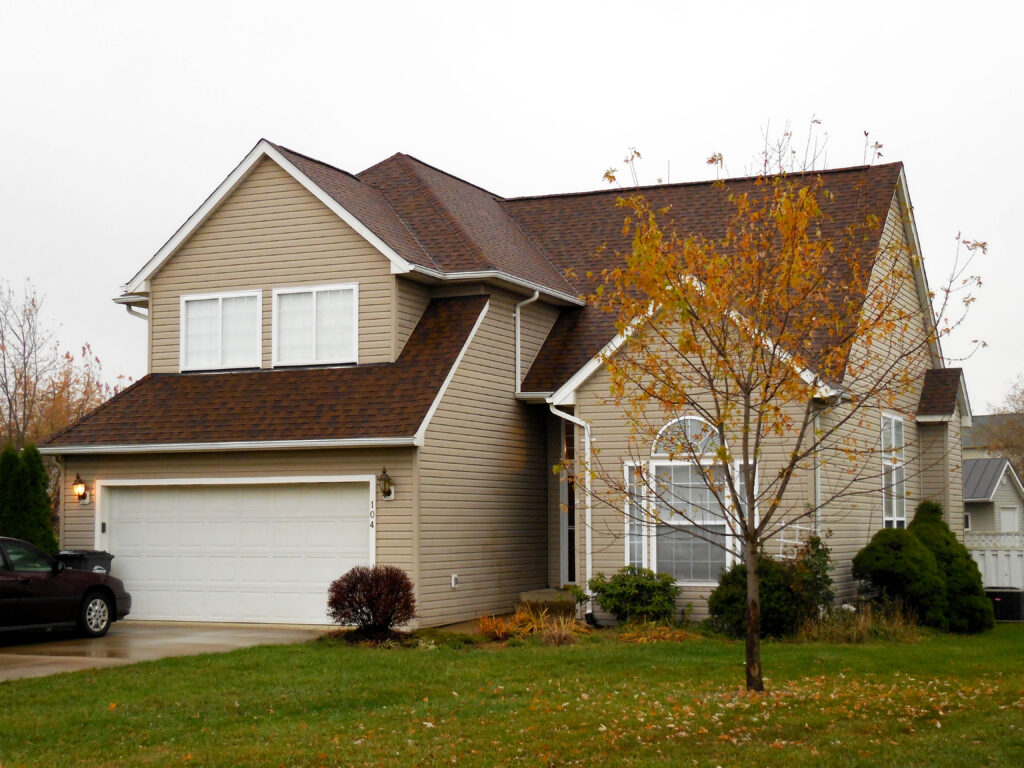
Keeping Gutters and Roof Edges Clear
Clogged gutters give ice a place to build and block proper drainage at the roof edge. Cleaning them before winter arrives helps meltwater flow away instead of freezing at the eaves.
After heavy snow, gently removing snow from the lower few feet of the roof with a roof rake reduces the material available to refreeze. This small habit can make a real difference during a stretch of freezing and thawing weather.
When to Call a Professional
If you see thick ice along your eaves, icicles loaded with trapped water, or stains forming on interior ceilings, it is time to bring in a roofer. Trying to chip ice off a roof yourself can crack shingles and lead to injury.
A professional can safely relieve the ice dam, find the entry point, and correct the underlying insulation, ventilation, or flashing issue so the problem does not return next winter.
Bottom Line
Ice dams on Winchester roofs are caused by uneven roof temperatures, poor attic insulation and ventilation, and clogged gutters. They are highly preventable with the right winter prep. Keep your attic cold and well ventilated, clear your gutters before the first freeze, and schedule a professional inspection if ice or interior stains appear.


