
Why Roof Ventilation Matters for Winchester, VA Homeowners
Most roof problems announce themselves: missing shingles, water stains, a drip over the kitchen table. Ventilation problems stay quiet. They cook your shingles from below in July, soak your rafters in February, and most homeowners never connect the upstairs bedroom that will not cool down to the attic sitting right above it.
Here is what roof ventilation actually does, how Winchester’s climate punishes attics that cannot breathe, and the signals that yours is one of them. None of this requires a ladder to check, and some of it you can spot from the hallway.
What does roof ventilation actually do?
Roof ventilation pulls fresh air in through intake vents at the soffits and pushes hot, moist air out through exhaust vents at or near the ridge. That steady airflow keeps summer attic heat from baking your shingles, stops winter moisture from condensing on the underside of the roof deck, and helps prevent the ice dams Winchester winters are known for.
The system only works in balance. Exhaust without enough intake starts pulling conditioned air out of your living space, while intake without exhaust just traps heat at the peak. Roughly equal intake and exhaust, sized to the attic’s square footage, is the target every good roofer designs around.
Summer: the attic that bakes your shingles
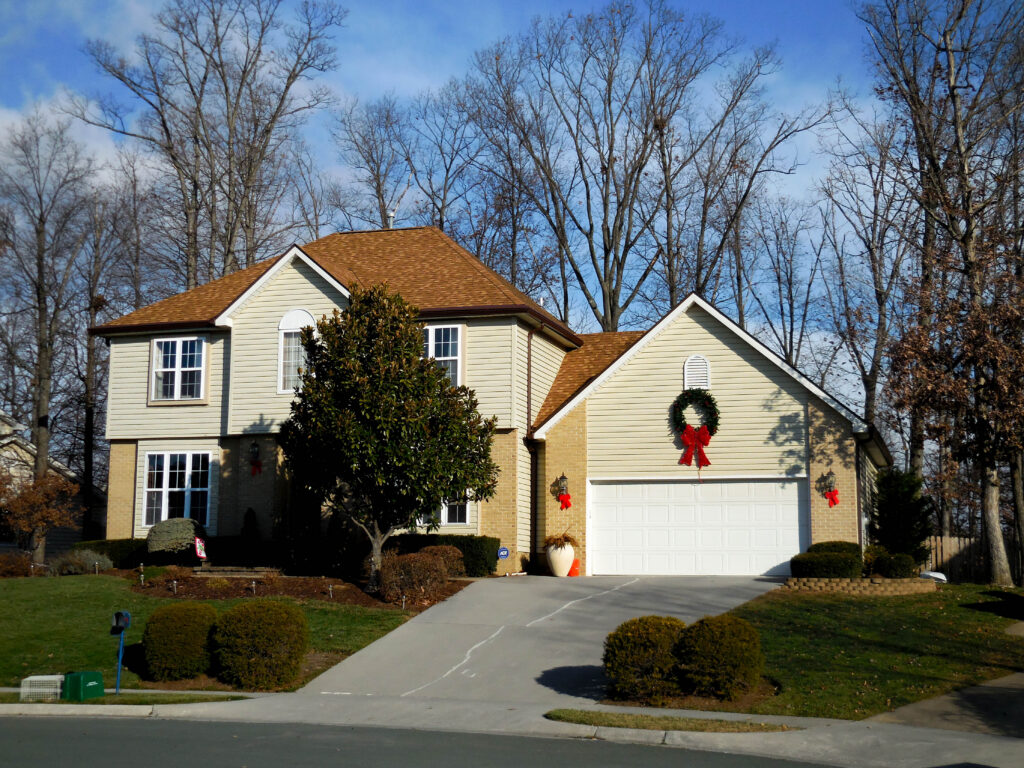
On a 95 degree July afternoon in the Valley, a poorly vented attic can push past 150 degrees. All that trapped heat radiates down into bedrooms, forces the air conditioning to run longer, and cooks shingles from underneath, aging them years ahead of schedule. Shingle manufacturers take it seriously enough that inadequate ventilation can reduce or void warranty coverage on an otherwise perfect installation.
The complaint we hear most is the upstairs that never cools no matter where the thermostat is set. Before blaming the AC unit, it is worth asking whether the attic above those rooms is running 50 degrees hotter than the outdoor air all afternoon and radiating like a woodstove well into the evening.
Winter: moisture, mold, and ice dams
Everyday living pushes warm, moist air upward: showers, cooking, laundry, even breathing. In a stagnant attic, that moisture condenses on the cold underside of the roof deck. Over a Winchester winter that means damp insulation, frost on nail tips, mold spotting, and decking that slowly rots from the inside. Wet insulation also loses much of its insulating value, so the heating bill creeps up while the attic quietly gets worse.
Ventilation is also half the ice dam story. A warm attic melts the snow blanket on the roof, the meltwater runs down to the cold eaves and refreezes, and the growing dam pushes water backward under the shingles. Balanced airflow keeps the whole roof deck close to the outdoor temperature, so snow melts evenly off the surface instead of feeding the dam at the gutter line.
Signs your attic is not breathing
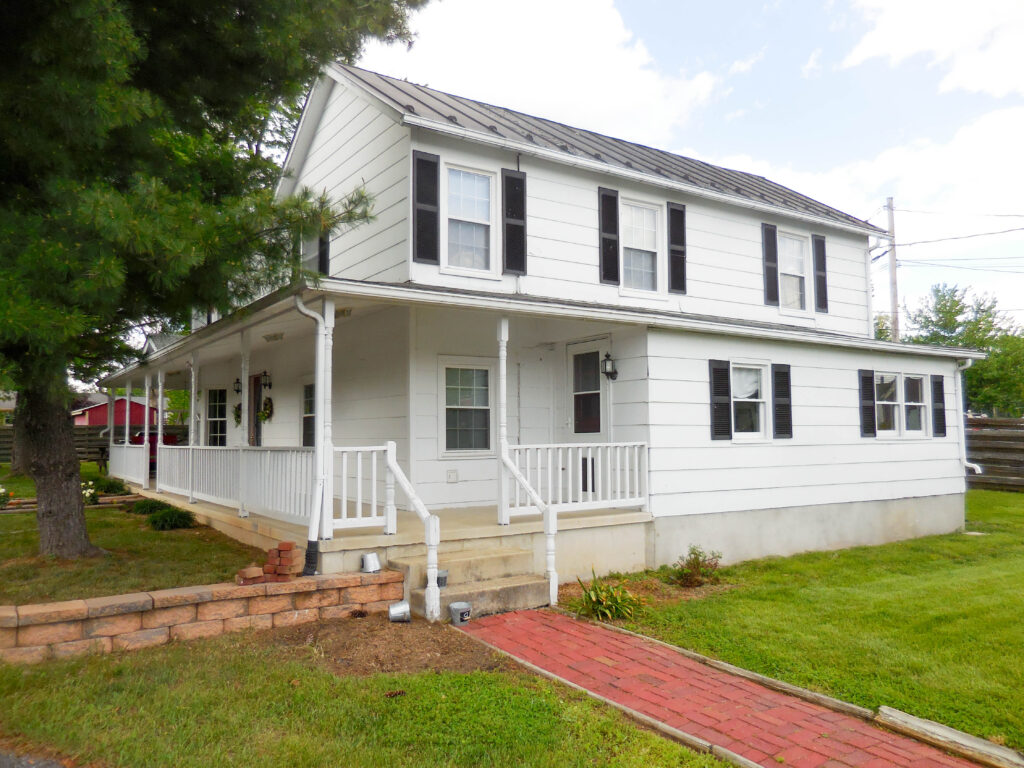
Plenty of signals show up without a ladder. Ice at the eaves every winter, shingles curling or aging faster than the same era roofs next door, and that radiant heat feeling from upstairs ceilings on summer evenings all point the same direction. Inside the attic, look for frost on nails in January, matted or damp insulation, dark staining on the deck, or a musty smell when you open the hatch.
Also check the simplest failure of all: blocked intake. Blown insulation drifts over soffit vents constantly, and painted over or screened over soffits choke airflow just as thoroughly as having no vents at all. A surprising number of attics have adequate ventilation on paper that is simply buried or sealed shut in practice, which is why a physical inspection beats a math check.
How ventilation gets fixed
The usual prescription is a continuous ridge vent paired with clear, adequate soffit intake, with baffles installed so insulation holds its R value without smothering the airflow path. Sometimes the right move is subtraction: mixing exhaust types, like adding a powered fan to a ridge vented roof, can short circuit the natural flow and pull weather in through the ridge, so more hardware is not automatically better.
Roof replacement is the cheapest moment to get all of this right, since ridge vents and intake corrections fold neatly into the larger job. But if your roof is otherwise healthy, ventilation can usually be corrected on its own for far less than the damage it quietly prevents. Either way, work with a contractor who measures intake and exhaust rather than eyeballing it from the driveway.
Bottom Line
Ventilation is the quiet system that decides how long your roof lasts, what the upstairs feels like in July, and whether February brings ice dams to your eaves. The warning signs, from curling shingles to frost on attic nails, are easy to check and inexpensive to fix compared to what they prevent. If nobody has evaluated your attic airflow in years, fold it into your next roof inspection. Gregory’s Roofing Of Winchester checks ventilation as part of every roof assessment and can tell you exactly what your attic needs to breathe right.
Related reading: How to Prevent Ice Dams on Your Winchester Roof, Metal vs Shingle Roofing


